Understanding Iron tv Production Essentials
In the dynamic landscape of television production, Iron tv emerges as a distinctive force that blends creativity with technological innovation. As we prepare for the evolving demands of the industry in 2026, understanding the fundamentals of Iron tv production is crucial for creators aiming to make a significant impact in the competitive arena. From innovative storytelling techniques to leveraging advanced production technology, every aspect plays a vital role in creating compelling content that resonates with audiences.
What is Iron tv and its Unique Value?
At its core, Iron tv represents a cutting-edge approach to television production that prioritizes quality, engagement, and viewer experience. Unlike traditional broadcasting methods, Iron tv aims to create immersive content that captures the audience's attention through dynamic storytelling and high production values. This unique platform enables creators to explore diverse genres while addressing contemporary issues, making it an essential player in modern media.
Core Components of Successful Productions
Successful Iron tv productions are built on several foundational components:
- Creative Storytelling: Engaging narratives that connect with viewers on a personal level.
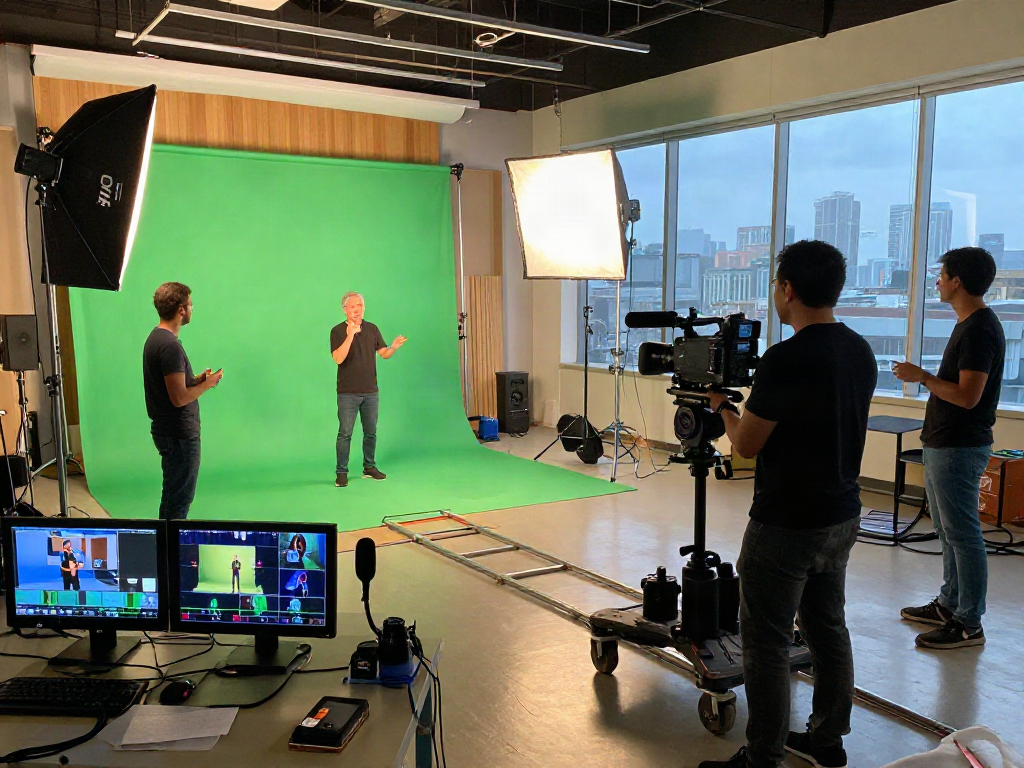
- High Production Values: Utilizing state-of-the-art technology for cinematography, sound, and editing.
- Collaborative Teams: A well-coordinated production team that communicates effectively throughout the process.
- Audience Engagement: Understanding viewer preferences and adapting content accordingly.
Key Roles in Iron tv Programming
The success of any Iron tv production hinges on the synergy of various specialized roles. Key positions include:
- Producers: Responsible for overseeing the entire production process, managing budgets, and ensuring timely completion.
- Directors: Tasked with translating scripts into visual narratives that engage audiences.
- Writers: Crafting compelling scripts that resonate with viewers and highlight pertinent themes.
- Cinematographers: Utilizing camera techniques to enhance the story’s visual appeal.
- Editors: Merging footage to tell a cohesive story and maintain pacing.
Planning Your Iron tv Content Strategy
Effective planning is fundamental to successful Iron tv productions. By laying a comprehensive content strategy, producers can ensure their projects are aligned with audience expectations while remaining adaptable to market trends. When exploring options, Iron tv provides comprehensive insights that can help shape these strategies.
Defining Target Audience and Market Trends
Understanding your target audience is paramount. Surveying viewer demographics, preferences, and watching habits can provide valuable insights into creating content that appeals to specific niches. Additionally, staying updated with market trends allows producers to incorporate relevant themes and topics, ensuring their content remains fresh and engaging.
Creating Compelling Storylines for Iron tv
Storytelling should be at the heart of every Iron tv production. Compelling storylines often involve relatable characters, dynamic arcs, and themes that resonate with contemporary societal issues. By utilizing focus groups and viewer feedback, creators can refine their narratives to enhance emotional impact and viewer retention.
Budgeting and Resource Allocation for Productions
A well-defined budget serves as the backbone of any production. Producers must allocate funds wisely across various departments—casting, locations, technology, and post-production—to ensure the project is delivered without compromising quality. Regular budget reviews can help in making adjustments as necessary to avoid overspending.
Best Practices for Iron tv Production Workflow
Streamlining workflow is vital for maintaining efficiency in Iron tv productions. By adopting best practices, teams can enhance productivity and ensure smoother operations from pre- to post-production.
Utilizing Technology in Iron tv Productions
The incorporation of advanced technology is crucial for modern television production. From using drones for aerial shots to leveraging AI for video editing, technology can significantly enhance the storytelling experience while also saving time and costs. Staying abreast of the latest tools can give productions a competitive edge.
Streamlining Communication Among Teams
Effective communication is the linchpin of successful collaborations. Utilizing project management tools and regular briefings helps maintain transparency among team members, enabling them to stay aligned and focused on common goals. This cohesiveness is essential for timely decision-making and problem-solving.
Time Management Techniques for On-Schedule Filming
Time management is critical in the fast-paced world of television production. Implementing techniques such as the Pomodoro Technique or prioritization matrices can assist teams in maximizing productivity while minimizing stress. Setting clear deadlines for each phase of production ensures that the project stays on track and within budget.
Promoting Your Iron tv Content Effectively
Once a project is complete, the next challenge lies in effectively promoting it. A robust marketing strategy can make all the difference in reaching the intended audience and driving viewership.
Leveraging Social Media for Audience Engagement
Social media platforms provide an invaluable way to connect with viewers. By crafting engaging posts, behind-the-scenes content, and interactive elements, producers can build anticipation for their releases. Utilizing targeted ad campaigns on platforms like Facebook and Instagram can further enhance reach.
Analytics and Metrics for Iron tv Success
Analyzing performance metrics is essential for understanding audience engagement and refining future content. Tools like Google Analytics and social media insights provide valuable data that can inform adjustments in marketing strategies and production approaches.
Developing Partnerships and Collaborations
Collaborating with influencers, media outlets, and other content creators can expand visibility for Iron tv productions. Partnerships can leverage existing audiences and introduce productions to potential viewers who may not have been exposed otherwise.
Future Trends in Iron tv Productions (2026 and Beyond)
As we look toward the future of Iron tv productions, several trends are poised to reshape the industry landscape.
Emerging Technologies Impacting Television Production
Innovations such as virtual reality (VR), augmented reality (AR), and artificial intelligence are set to transform traditional viewing experiences. These technologies can create immersive environments, introducing viewers to interactive storytelling that goes beyond the passive consumption of content. Productions that successfully integrate these technologies will likely capture significant audience interest.
Changing Viewer Preferences and Consumption Habits
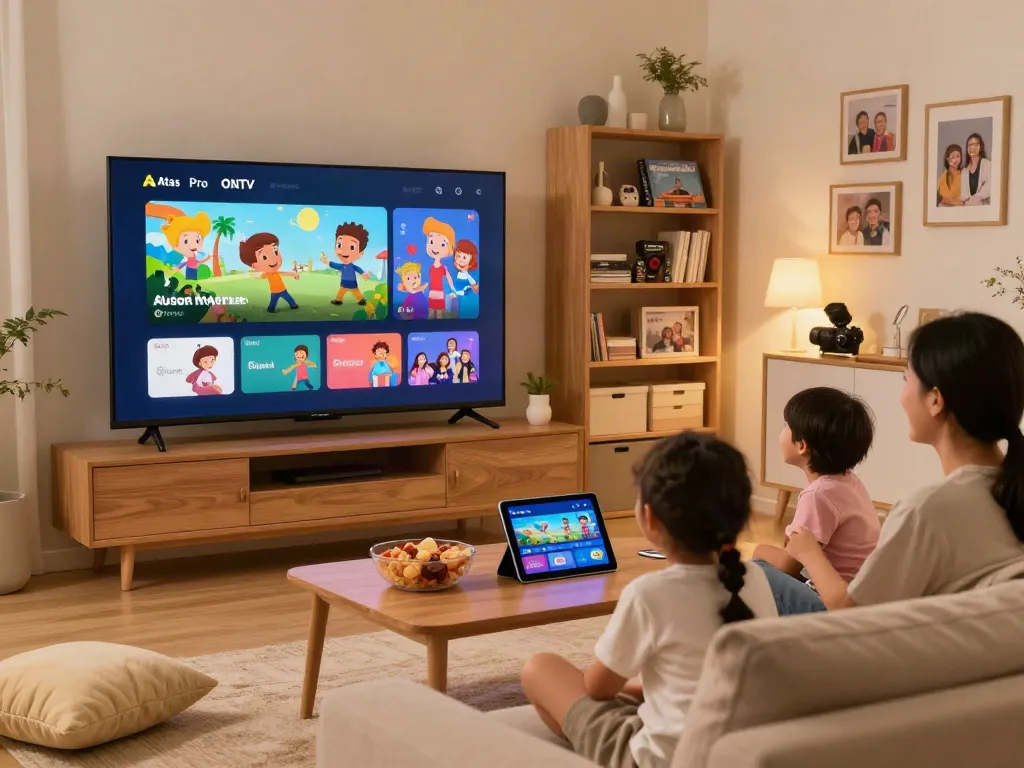
In recent years, there has been a seismic shift in how viewers consume content. With the rise of on-demand streaming services, audiences are increasingly favoring binge-watching and personalized recommendations. Iron tv must adapt to these preferences by offering flexible viewing options and content that caters to diverse tastes.
The Role of Sustainability in Future Productions
As global awareness of environmental issues grows, sustainability is becoming a key concern in television production. From minimizing waste to utilizing eco-friendly materials, adopting sustainable practices will not only enhance the brand image but can also resonate with socially conscious viewers, setting productions apart in a crowded market.
What are the essential skills needed for Iron tv production?
Essential skills for Iron tv production include creativity in storytelling, proficiency in technical aspects of filming and editing, strong organizational capabilities, and the ability to work collaboratively with diverse teams. Emerging professionals should also cultivate adaptability to keep pace with rapid industry changes.
How can I effectively promote my Iron tv show?
To effectively promote an Iron tv show, harness social media strategies, develop engaging content, and collaborate with influencers. Regular engagement with audiences through Q&A sessions, sneak-peeks, and personalized promotions can build a community around the show.
What are the biggest challenges in Iron tv production today?
Significant challenges in Iron tv production include navigating evolving technologies, meeting audience expectations for quality, managing budgets amidst rising costs, and addressing the competitive nature of the industry. Producers must remain agile and innovative to overcome these hurdles.
How do technology trends affect Iron tv programming?
Technology trends influence Iron tv programming by changing how content is created, distributed, and consumed. Advances in streaming technology, audience analytics, and production tools allow for more dynamic storytelling and targeted marketing strategies.
What should producers focus on for future success in Iron tv?
Producers should prioritize understanding audience demographics, investing in technology, embracing sustainable practices, and nurturing creative talent. Staying ahead of industry trends and viewer preferences will be pivotal in shaping successful Iron tv productions in the future.