
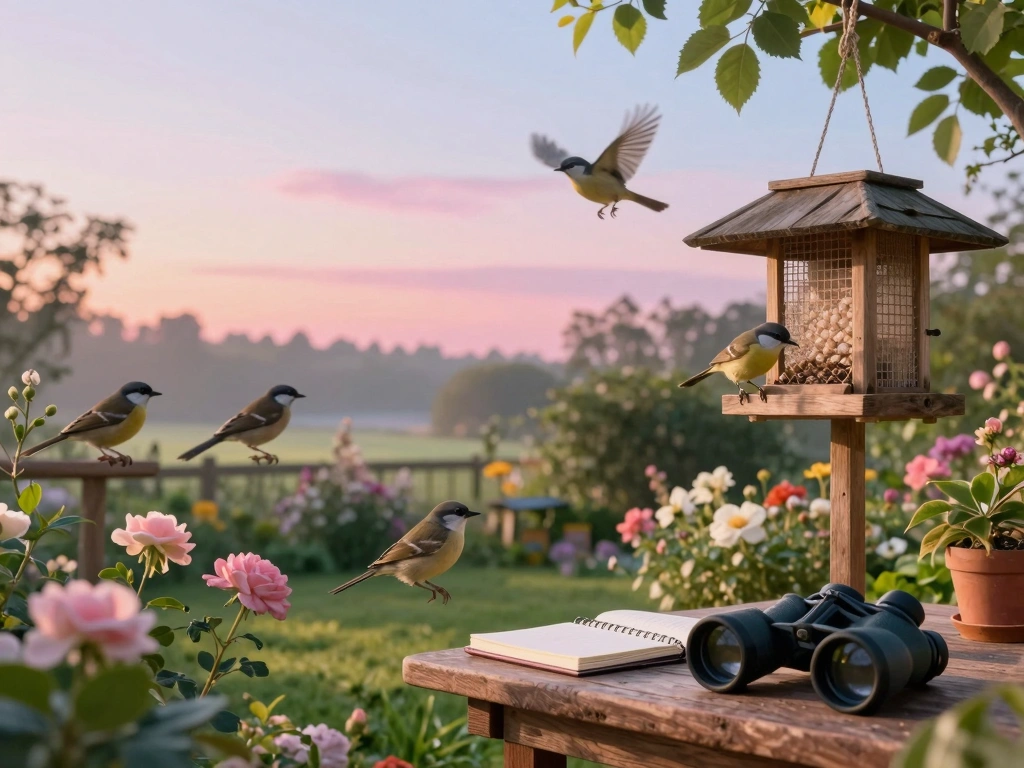
Understanding the Basics of Birding
What is a Life List?
A life list is a personal record of all the bird species an individual has observed in their lifetime. For many birders, creating and maintaining a life list is a central aspect of their birding experience. It allows birdwatchers to track their progress, set goals, and celebrate their achievements within the hobby. Life lists can be kept in various formats, from simple notebooks to sophisticated digital entries. The goal is to document sightings accurately and enjoyably.
The Importance of Backyard Birding
Backyard birding is an excellent entry point for beginners and seasoned birders alike. It allows individuals to connect with nature without traveling far from home. Observing birds in your own backyard can provide insights into local ecosystems and foster a deeper appreciation for wildlife. Moreover, many common birds are easily accessible, making them perfect candidates for your life list. Birding at home also offers the convenience of repeated observations, allowing you to note patterns in behavior and seasonal changes.
Essential Birding Terminology
Familiarizing yourself with essential birding terminology will enhance your birding experience. Here are some key terms:
- Field Guide: A book or digital resource that helps identify bird species.
- Binoculars: An optical device used to observe distant objects, crucial for birdwatching.
- Migration: The seasonal movement of birds from one region to another.
- Attractants: Features like feeders, baths, and native plants that draw birds into your yard.
Gathering the Right Tools for Birding
Choosing the Best Binoculars
Investing in quality binoculars is essential for birdwatching. The right pair can significantly enhance your ability to spot and identify birds from a distance. Look for binoculars with the following specifications:
- Magnification: A magnification of 8x to 10x is ideal for birding.
- Objective Lens Diameter: A lens diameter of 32mm to 42mm balances size and light-gathering ability.
- Field of View: A wider field of view allows for easier tracking of moving birds.
Some recommended binocular models include the Nikon Monarch 5 and Vortex Diamondback. Both provide excellent clarity and durability.
Recommended Field Guides and Apps
Field guides are invaluable tools for identifying birds. You can choose traditional books or modern apps that offer additional features like sound identification. Some popular field guides include:
- The Sibley Guide to Birds: Comprehensive and user-friendly, ideal for North American birders.
- Peterson Field Guide to Birds: Classic guide featuring detailed illustrations and clear descriptions.
For mobile birding, consider apps like Merlin Bird ID and eBird. These apps allow you to identify birds by uploading photos and tracking your observations.
Setting Up a Bird Feeder and Bath
Attracting birds to your backyard begins with providing food and water sources. Setting up a bird feeder and bath can significantly increase your chances of spotting various species. Here’s how:
- Choose the Right Feeder: Select feeders tailored to specific bird types, such as tube feeders for finches or platform feeders for larger birds.
- Types of Birdseed: Use a variety of seeds, including black oil sunflower seeds, thistle seeds, and mixed seeds, to attract diverse species.
- Install a Bird Bath: A shallow bird bath with a gentle slope can provide drinking and bathing opportunities, attracting birds to your yard.
Position your feeders and baths near cover, like trees or shrubs, where birds can perch and feel safe.
Identifying Birds in Your Backyard
Common Backyard Birds to Look For
Familiarizing yourself with common backyard birds is essential for building your life list. Here are some species you are likely to encounter:
- American Robin: Easily recognizable by its red breast and cheerful song.
- House Finch: Known for their vibrant plumage and cheerful chirps.
- Blue Jay: A striking blue and white bird with a loud call.
- Cardinal: Bright red males are a favorite, especially in winter.
- Chickadee: Small, friendly birds with a distinctive "chick-a-dee-dee-dee" call.
Tips for Accurate Identification
Accurate bird identification takes practice and patience. Here are some tips to help you:
- Observe Field Marks: Pay attention to size, shape, color patterns, and distinguishing features like beak shape and tail length.
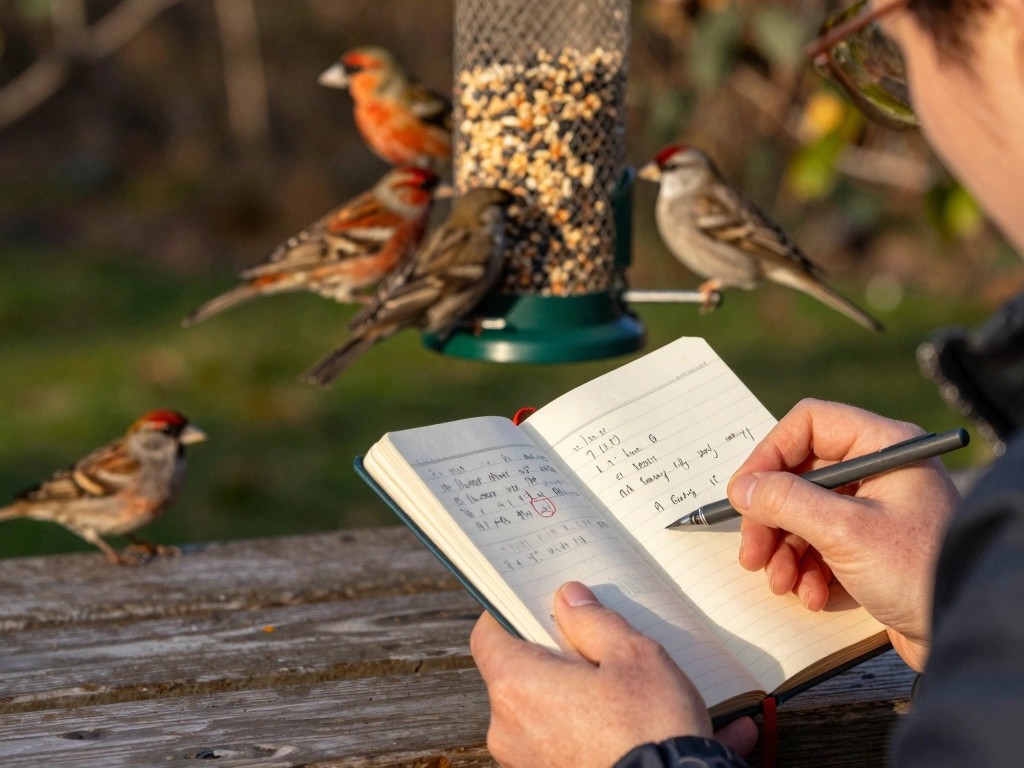
- Take Notes: Document your observations, noting the date, time, weather, and any specific behaviors.
- Practice Regularly: The more time you spend observing birds, the better you will become at identifying them.
Using Bird Songs and Calls for Identification
Bird songs and calls can be incredibly helpful for identification, especially when birds are hidden from view. Here are some strategies:
- Learn Common Calls: Familiarize yourself with the songs of local species. Resources like the Audubon Bird Guide provide audio samples.
- Use Apps: Apps like Merlin Bird ID can help identify birds based on their calls.
- Practice Listening: Spend time in your backyard or local parks, focusing on the sounds around you.
Documenting Your Birding Experiences
Creating Your Life List: Formats and Tools
Maintaining a life list is an integral part of your backyard birding journey. You can document your observations in various formats:
- Notebook: A simple, portable way to jot down sightings, including date, location, and notes.
- Spreadsheet: Use software like Microsoft Excel or Google Sheets for a digital list that can be easily updated.
- Apps: Utilize apps like eBird to track your sightings and contribute to citizen science.
Keeping Detailed Notes and Observations
Detailed notes can enhance your birding experience and aid in accurate identification. Consider including:
- Date and Time: Record when you spotted each bird.
- Location: Note the specific area of your backyard or nearby location.
- Behavior: Document what the birds were doing (feeding, nesting, etc.).
- Weather Conditions: Include temperature, cloud cover, and wind conditions.
Photography Tips for Birding
Capturing images of birds can be a rewarding part of your backyard birding experience. Here are some photography tips:
- Use a Telephoto Lens: A lens with at least 300mm focal length is ideal for bird photography.
- Be Patient: Birds can be unpredictable. Wait quietly for them to come into view.
- Focus on Lighting: Early morning or late afternoon provides the best natural light for photography.
Consider sharing your photos on social media platforms or birding forums to engage with the community.
Engaging with the Birding Community
Joining Local Birdwatching Groups
Connecting with other birders can enhance your experience and knowledge. Look for local birdwatching groups or clubs in your area. These groups often organize field trips and workshops, allowing you to learn from experienced birders while contributing to your life list.
Participating in Citizen Science Projects
Citizen science projects provide opportunities to contribute to scientific research while enjoying birding. Projects like the Great Backyard Bird Count and Christmas Bird Count allow you to submit your observations and help track bird populations.
Attending Birding Events and Workshops
Birding events, such as festivals and workshops, are fantastic opportunities to learn more about birds and meet fellow enthusiasts. Many organizations host annual birding festivals featuring guided walks, expert talks, and interactive sessions. Check local nature centers or conservation organizations for upcoming events.